
10 Fall Foods to Eat More of This Season 🍂
There’s something about fall that naturally changes the way we eat. Crisp salads start sharing the table with warm soups, roasted vegetables, baked apples, hearty grains, and comforting bowls. And that shift can actually be a wonderful opportunity to add more nutrient-dense plant foods to your diet.
Fall produce is full of color, flavor, fiber, vitamins, minerals, and protective plant compounds. Even better, many seasonal foods are simple and affordable. You don’t need specialty ingredients or complicated recipes to make nourishing meals.
Eating seasonally can also help bring variety back into your kitchen. Instead of reaching for the same vegetables and fruits every week, fall gives us a reason to rediscover squash, sweet potatoes, pears, cranberries, apples, and other foods that may have disappeared from our plates during the warmer months.

Here are 10 fall foods worth eating more often, why they’re great from a nutrition standpoint, and easy ways to use them.

1. Apples 🍎
Few foods say fall quite like a crisp apple.
Apples are naturally sweet, portable, affordable, and surprisingly versatile. They’re also a good source of fiber, particularly when you eat the peel. One type of fiber found in apples is pectin, a soluble fiber that can help support digestive health.
Apples also contain plant compounds called polyphenols. Rather than focusing on one isolated nutrient, think of apples as another example of why eating a variety of whole plant foods can be so beneficial.
And don’t limit apples to desserts!
Easy Ways to Eat More Apples
* Chop an apple into warm oatmeal with cinnamon and walnuts.
* Dip apple slices into natural peanut or almond butter.
* Add thinly sliced apples to a fall salad.
* Bake apples with cinnamon, oats, and chopped nuts.
* Dice apples into a quinoa or grain bowl for a sweet, crisp contrast.
Helpful Tip: Keep the peel on whenever possible. That’s where you’ll find some of the apple’s fiber and beneficial plant compounds.

2. Sweet Potatoes 🍠
Sweet potatoes are one of my favorite foods to keep around during fall because they work in everything from breakfast to dinner.
Their beautiful orange color comes largely from beta-carotene, which the body can convert into vitamin A. Vitamin A is important for normal vision, immune function, and healthy cells.
Sweet potatoes also provide fiber, potassium, vitamin C, and satisfying complex carbohydrates.
And despite their name, sweet potatoes don’t need added sugar to taste delicious. Roasting brings out their natural sweetness.
Easy Ways to Eat More Sweet Potatoes
* Cut them into cubes and roast them for grain bowls.
* Bake a whole sweet potato and stuff it with black beans, corn, salsa, and avocado.
* Mash them as a simple side dish.
* Add them to soups, curries, and stews.
* Make baked sweet potato wedges.
* Add cooked sweet potato to oatmeal for extra creaminess.
For an easy meal, combine a roasted sweet potato with beans, greens, a whole grain, and a creamy tahini dressing. You’ll get carbohydrates, plant protein, fiber, and healthy fats all in one bowl.

3. Pumpkin 🎃
Pumpkin deserves better than being used only in pie.
Its beautiful orange color is a clue that pumpkin is rich in carotenoids, including beta-carotene. It’s also a source of fiber and potassium while being naturally low in calories.
One of the best things about pumpkin is how easy it is to keep on hand. 100% pure canned pumpkin is convenient and nutritious, so you don’t have to roast an entire pumpkin every time you want to use it.
Just make sure you’re buying pure pumpkin rather than pumpkin pie filling, which usually contains added sugar and other ingredients.
Easy Ways to Use Pumpkin
* Stir pumpkin purée into oatmeal.
* Add it to whole-grain pancakes or muffins.
* Blend it into soup.
* Make a creamy pumpkin pasta sauce.
* Mix it into overnight oats.
* Use it in healthier fall desserts.
Pumpkin also pairs beautifully with cinnamon, nutmeg, ginger, maple, apples, pecans, and walnuts, so you can create plenty of fall flavor without relying on lots of added sugar.

4. Winter Squash
Butternut squash may get most of the attention, but fall is the perfect time to explore the whole winter squash family.
Look for butternut, acorn, delicata, spaghetti, and kabocha squash.
Winter squash provides fiber along with nutrients such as potassium and carotenoids. Different varieties have slightly different flavors and textures, which makes them fun to experiment with.
Butternut squash becomes wonderfully creamy when blended, while delicata squash can be sliced and roasted with the skin still on. Spaghetti squash separates into strands after cooking, making it completely different from its cousins.
Easy Ways to Use Winter Squash
Roast cubes of butternut squash and add them to salads, quinoa bowls, or pasta. Fill roasted acorn squash with wild rice, lentils, cranberries, and walnuts. Or blend roasted squash with garlic, vegetable broth, and herbs for an incredibly creamy soup without needing heavy cream.
And don’t be afraid of frozen squash. Frozen vegetables can be a great shortcut when you don’t have time to peel and chop a whole squash.

5. Pears 🍐
Apples tend to steal the fall spotlight, but pears deserve a place in your shopping cart too.
Pears are naturally sweet and provide fiber, vitamin C, and beneficial plant compounds. A medium pear can provide around 5 to 6 grams of fiber, making it an easy way to add more fiber to your day.
Like apples, much of that goodness is found in or near the skin, so there’s usually no reason to peel them.
Easy Ways to Eat More Pears
* Chop them into oatmeal.
* Slice them over whole-grain toast with nut butter.
* Add them to an arugula and walnut salad.
* Bake them with cinnamon.
* Chop them into overnight oats.
* Pair them with pecans or walnuts for a simple snack.
For an easy fall dessert, halve ripe pears and bake them with cinnamon until tender. Top with chopped walnuts and a small drizzle of maple syrup.
Simple, warm, and delicious.
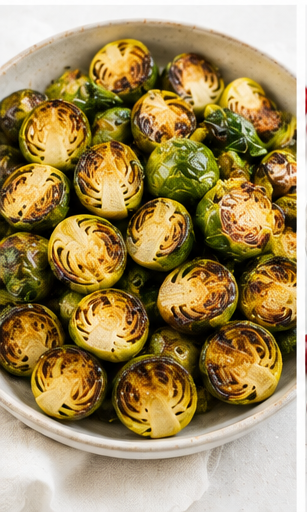
6. Brussels Sprouts
If your childhood memory of Brussels sprouts involves something gray, mushy, and suspiciously cabbage-scented, give them another chance.
The cooking method makes a huge difference.
Brussels sprouts belong to the cruciferous vegetable family, along with broccoli, cauliflower, cabbage, and kale. They’re a good source of fiber and provide vitamins C and K along with naturally occurring plant compounds.
Roasting them at high heat gives you browned, crispy edges while keeping the inside tender.
A Simple Way to Prepare Them
Cut Brussels sprouts in half, toss them lightly with extra-virgin olive oil, garlic, and salt, then roast until deeply golden around the edges.
Add roasted Brussels sprouts to:
* Grain bowls
* Fall salads
* Roasted vegetable platters
* Whole-grain pasta
* Holiday meals
You can also combine roasted Brussels sprouts with sweet potatoes, apples, dried cranberries, and walnuts for a beautiful fall side dish.

7. Cranberries
Fresh cranberries are one of those foods many of us buy once a year and then forget about.
They’re worth using more often.
Cranberries contain vitamin C, fiber, and colorful plant compounds, including polyphenols. Their deep red color also makes them an easy way to bring more variety to the plants you’re eating.
The challenge is that fresh cranberries are very tart, which is why traditional cranberry sauces can contain a surprising amount of added sugar.
Instead of trying to cover up all of that tartness with sugar, pair cranberries with naturally sweeter fruit.
Try This
Simmer fresh cranberries with chopped apples, fresh orange, cinnamon, and just enough maple syrup to balance the tartness.
You’ll end up with a bright cranberry-apple sauce that’s delicious with fall meals.
Fresh cranberries can also be added to baked oatmeal, whole-grain muffins, and fruit crisps.

8. Walnuts
Fall meals benefit from a little crunch, and walnuts are one of my favorite ways to add it.
Walnuts provide plant protein, fiber, minerals, and unsaturated fats. They’re especially notable among nuts because they contain alpha-linolenic acid (ALA), a plant-based omega-3 fatty acid.
You don’t need a huge serving to make a meal more satisfying.
Sprinkle Walnuts Over
* Oatmeal
* Salads
* Grain bowls
* Baked apples or pears
* Roasted vegetables
* Dairy-free yogurt
* Overnight oats
You can also pulse walnuts with oats, cinnamon, and dates in a food processor to create a simple crumble topping.
Helpful Tip: Store walnuts in the refrigerator or freezer if you’re keeping them for a while. Their naturally occurring oils can eventually become rancid when stored for long periods at room temperature.

9. Oats
When mornings start getting chilly, cold cereal suddenly loses some of its charm.
That’s when oatmeal shines.
Oats are a whole grain and an excellent source of soluble fiber. They contain a particular type called beta-glucan, which has been extensively studied for its role in helping maintain healthy cholesterol levels as part of an overall healthy diet.
They’re also inexpensive, filling, and endlessly customizable.
Instead of thinking of oatmeal as plain oats with brown sugar, turn your bowl into a complete breakfast.
Build a Better Bowl
Start with rolled oats and unsweetened dairy-free milk. Then add:
Fruit: Apples, pears, bananas, or berries
Healthy fats: Walnuts, pecans, chia seeds, or ground flaxseed
Flavor: Cinnamon, nutmeg, vanilla, or ginger
Optional sweetness: A small drizzle of pure maple syrup
You can also make baked oatmeal on Sunday and portion it out for quick breakfasts throughout the week.

10. Lentils
Technically, lentils aren’t a seasonal fall food. But fall is when I find myself reaching for them much more often.
Why?
Soup season! 🥣
Lentils are one of the most affordable sources of plant protein and provide an impressive combination of protein, fiber, iron, folate, potassium, and other nutrients.
Unlike dried beans, most lentils don’t require soaking and cook relatively quickly.
Different varieties work well for different recipes.
Brown and green lentils hold their shape and work beautifully in bowls, lentil loaves, and hearty soups.
Red lentils soften significantly as they cook, making them perfect for creamy soups, curries, and dals.
Easy Ways to Eat More Lentils
* Vegetable lentil soup
* Lentil shepherd’s pie
* Lentil meatloaf
* Lentil tacos
* Warm lentil and grain bowls
* Red lentil curry
* Lentil pasta sauce
They’re also a great example of something I encourage people to do more often: build meals around beans and legumes rather than treating them as an afterthought.
Why Eating With the Seasons Can Be So Good
You certainly don’t have to eat only foods that are in season. Frozen fruits and vegetables, canned beans, whole grains, and other pantry staples are incredibly useful year-round.
But allowing the seasons to influence your meals naturally creates variety.
Summer might bring tomatoes, berries, peaches, and zucchini. Fall brings apples, pears, squash, sweet potatoes, and hearty greens.
That variety matters because different plant foods provide different combinations of fibers, vitamins, minerals, and phytochemicals.
Instead of searching for one magical “superfood,” focus on something much simpler:
Eat a wide variety of plants.
Different colors. Different vegetables. Different fruits. Whole grains. Beans and lentils. Nuts and seeds.
Your diet doesn’t need to be perfect to be nourishing.
Build a Simple Fall Pantry
Once your kitchen has a few staples, healthy fall meals become much easier to throw together.
I like keeping rolled oats, brown or wild rice, quinoa, lentils, beans, canned pumpkin, vegetable broth, tahini, walnuts, pumpkin seeds, ground flaxseed, cinnamon, nutmeg, pure maple syrup, and extra-virgin olive oil on hand.
Then add fresh seasonal produce each week.
With those ingredients, you can turn apples into breakfast, squash into dinner, lentils into soup, sweet potatoes into a hearty bowl, and leftover vegetables into tomorrow’s lunch.
A Simple Challenge for This Fall 🍁
You don’t need to completely change the way you eat.
Instead, choose three foods from this list that you don’t currently eat very often and add them to your grocery list this week.
Maybe it’s oatmeal with apples and walnuts for breakfast.
Maybe it’s a roasted sweet potato and lentil bowl for lunch.
Or maybe it’s finally figuring out what to do with that butternut squash you’ve walked past at the grocery store twenty times.
Healthy eating is usually built through small choices repeated consistently, not a perfectly planned diet.
And fall gives us a pretty delicious place to start.


Comments